
Small business digital marketing is not about being everywhere online at once. It is about using the right online channels to reach your ideal customers, build trust, and turn interest into loyal clients. For a business with limited time and budget, the smartest approach is to focus on a few high-impact strategies and do them well.
Digital marketing for small businesses refers to using online channels and strategies to promote products or services, reach target audiences, and achieve specific goals. Traditional marketing methods still matter, but the internet has changed how customers discover and evaluate businesses. A practical plan for 2026 starts with clarity about your audience, your message, and the channels that connect them.
What Is Digital Marketing for Small Businesses?
At its core, digital marketing for small businesses is the practice of promoting your business through online channels. That includes your website, search engines, social media platforms, online ads, and the content you publish. Each channel serves a purpose, and together they help customers find you, learn about you, and decide to buy from you.
Traditional methods like print ads and word of mouth remain relevant. However, the internet has led to new methods that give small businesses more affordable ways to compete. Digital marketing has evolved how businesses market to the public, and it now offers tools that level the playing field between a local shop and a much larger competitor.
Why Digital Marketing Matters for Small Business Growth
Every small business, no matter how new or established, should look at digital channels as a way to generate leads and convert interest into customers. When someone searches for your product or service, your online presence is often the first impression they get. If they cannot find you, they are likely to choose a competitor who shows up.
Digital marketing also gives you control over how your story is told. You can share your experience, your values, and your approach in your own words. For a small business, that personal connection is a real advantage. Customers want to know who they are buying from, and a clear online presence builds that trust before the first conversation ever happens.
Build a Simple Digital Marketing Strategy
An effective marketing strategy in 2026 starts with defining your audience. Think about who your best customers are, what problems they need solved, and what words they use when searching for help. The more specific you can be, the easier it is to create content and ads that feel relevant.
Next, set clear goals. Do you want more website visitors, more phone calls, more foot traffic, or more online orders? Choose one or two primary goals and shape your efforts around them. When you know what you are trying to achieve, you can measure progress and make better decisions about where to invest your time.
Finally, select your channels. Digital marketing works best when small businesses focus on a few high-impact channels instead of trying to do everything. A small team cannot maintain a strong presence on every platform. Pick the channels where your customers actually spend time and commit to showing up there consistently.
High-Impact Digital Marketing Channels
You do not need every tool available. A focused set of channels will serve you better than a scattered approach. Here are the areas most small businesses should consider.
A Search-Optimized Website
Your website is your digital home base. It is where customers learn about your services, see your work, and contact you. Search engine optimization, or SEO, helps your site appear when people search for what you offer. Simple improvements like clear page titles, useful content, and a fast, mobile-friendly design can make a meaningful difference in how often your business is found.
Social Media That Fits Your Business
Social media lets you connect with customers where they already spend time. Platforms like Facebook and Instagram are common starting points for small businesses. You can share updates, answer questions, and show the personality behind your brand. Consistency matters more than perfection, and regular posting helps keep your business visible.
Paid Ads With a Clear Purpose
Online advertising on platforms such as Facebook, Instagram, and Google can help you reach new audiences quickly. Paid ads work best when they are tied to a clear goal, like driving website visits, generating form submissions, or promoting a seasonal offer. Start small, track what happens, and scale the ads that perform.
Useful Content
Content creation is one of the most practical ways to earn trust. Blog posts, photos, videos, and simple guides that answer common customer questions position your business as helpful and knowledgeable. Over time, that content also supports your SEO by giving search engines more reasons to show your site.
How to Budget for Small Business Digital Marketing
Budgeting is a common challenge for small businesses. One approach that appears in digital marketing guidance is the 70/20/10 rule. Under this model, the largest portion of your budget supports strategies that are already working, a smaller portion goes toward newer efforts that show promise, and a small slice is set aside for experiments.
It is also possible to start with a mix of free and paid strategies. Many digital marketing efforts require time more than money. Publishing content, responding to reviews, and updating your website are tasks that any business owner can begin without a large advertising budget. As you see what works, you can move more money into the channels that deliver results.
Measure the Metrics That Matter
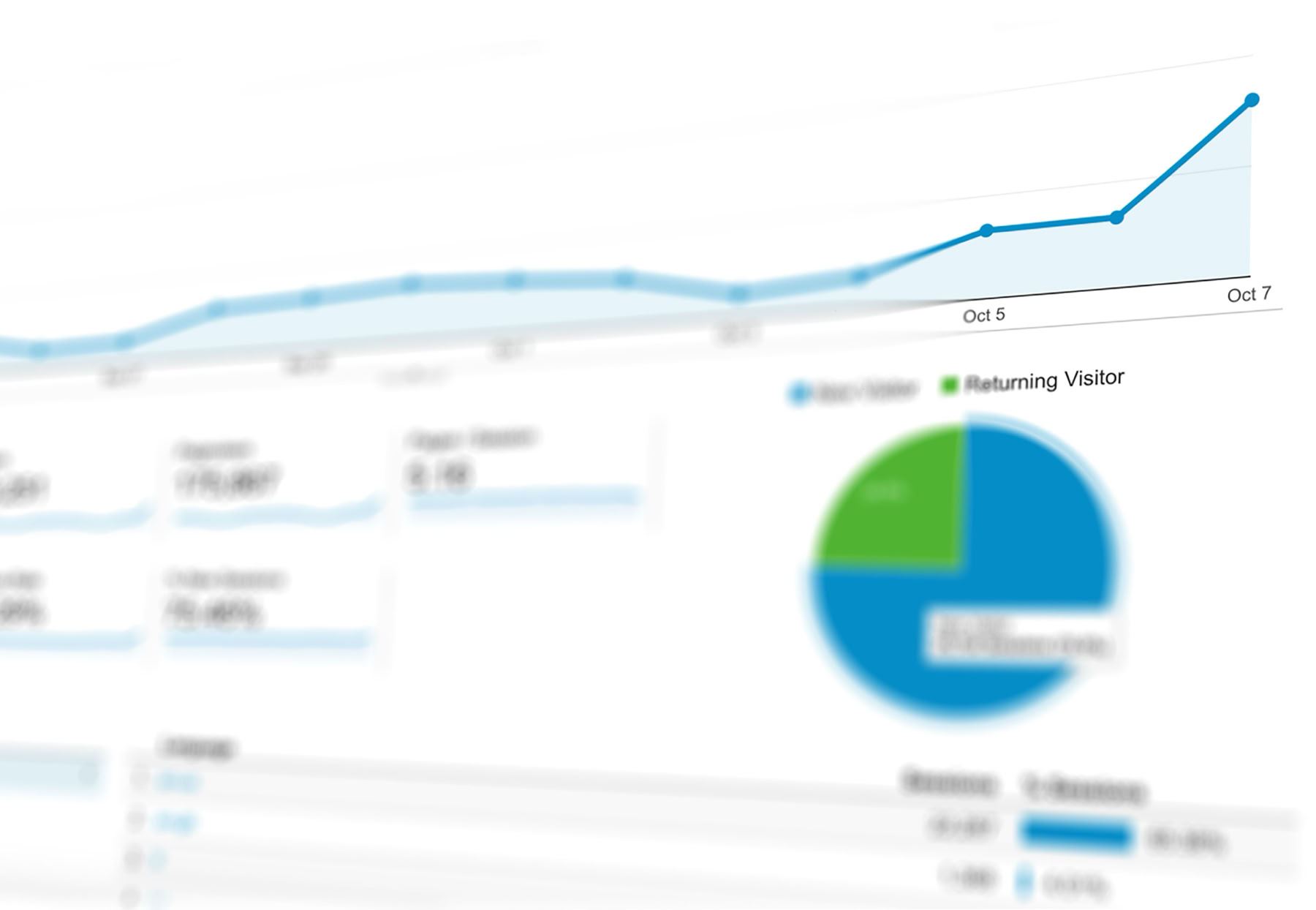
Digital marketing gives small businesses access to data that traditional marketing never offered. Instead of guessing what worked, you can look at real numbers. Common measures include website traffic, leads, conversions, and return on investment.
Key metrics and ROI are essential parts of digital marketing basics. You do not need to track every number available. Pick a few that connect directly to your goals, check them regularly, and make decisions based on what the data tells you. If a channel is not producing leads or sales, adjust your approach or shift resources elsewhere.
When to Handle It Yourself or Hire Help
Some small business owners enjoy learning and managing their own marketing. Others quickly realize that consistent marketing takes time away from running the business. Both paths are valid, and the right choice depends on your schedule, skills, and budget.
Working with a digital marketing provider can give you access to skills you do not have in-house, including web design, SEO, advertising, content creation, photography, and video production. A reliable partner can also bring a fresh perspective and keep your marketing moving forward while you focus on customers and operations.
Frequently Asked Questions
How should a small business start with digital marketing?
Start by defining your ideal customer and the message you want to share. Then choose one or two high-impact channels, such as a search-optimized website and one social media platform. Build a consistent presence there before adding more. As you learn what works, expand your efforts and adjust your budget based on results rather than trying everything at once.
What is the 70/20/10 rule in marketing?
The 70/20/10 rule is a budgeting approach for marketing. It reserves most of your budget for strategies that already work, a smaller portion for newer initiatives showing promise, and a small amount for experimental ideas. This structure keeps your marketing stable while allowing room to test new channels without risking your whole budget.
Which digital marketing channels should a small business use first?
Digital marketing works best when small businesses focus on a few high-impact channels instead of trying to do everything. Strong starting points include a website that is easy to find through search engines, a social media presence on the platform your customers use most, and online ads once you have budget to test. Choose channels that fit your audience and your capacity to stay consistent.
Should a small business hire a digital marketing agency?
Many small businesses begin with do-it-yourself marketing, but consistency takes time. An agency or freelancer can handle web design, SEO, ads, content creation, and video production, which gives you back time to run your business. Hiring is worth considering when you lack the skills, time, or interest needed to keep marketing consistent and effective.
Small business digital marketing in 2026 does not require a massive budget or a large team. It requires a clear understanding of your audience, a focused set of channels, and the discipline to keep showing up. Start with the basics, measure your results, and build from there. Over time, consistent digital marketing becomes one of the most reliable ways for a small business to grow.
Shield of Faith Marketing, LLC
Your Partner in Digital Success & Creative Storytelling


© 2026 Shield of Faith Marketing, LLC